

PALASTORM: stormwater management
PALARETAIN stormwater detention tanks
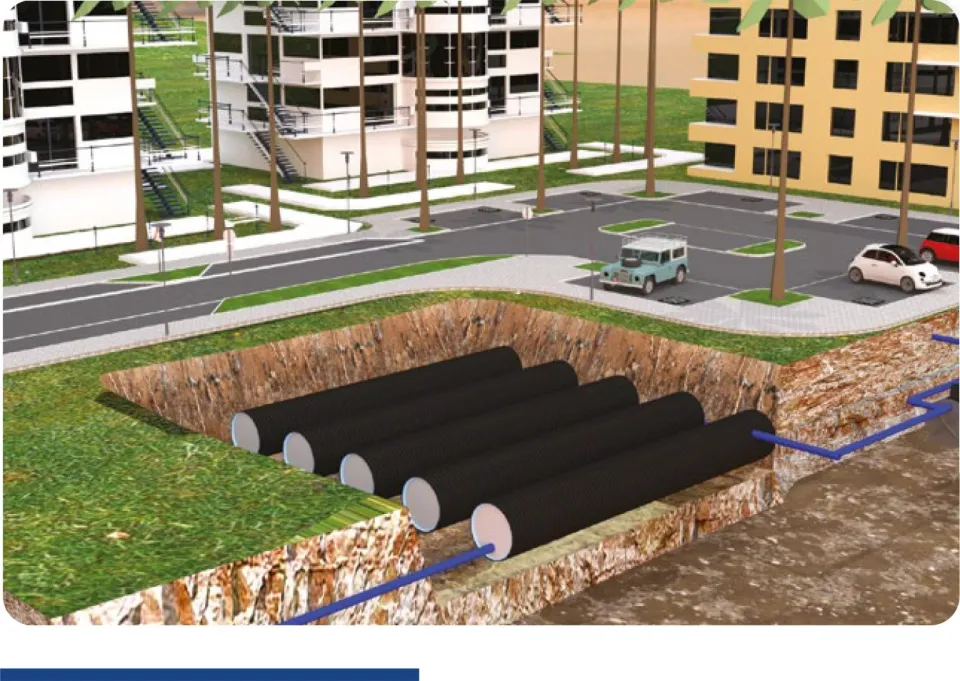
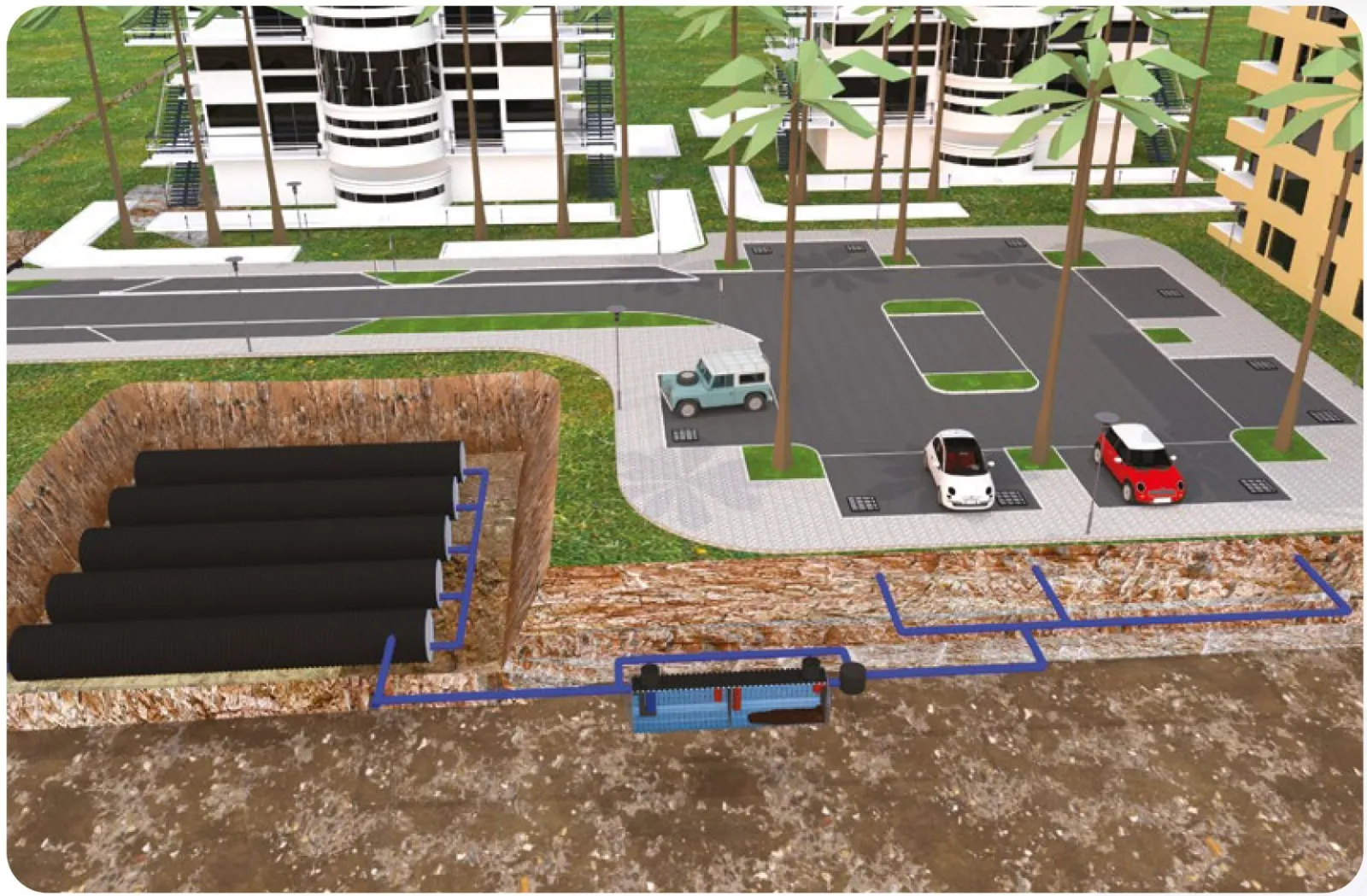
Buffer tank built from steel and polyethylene pipes that stores stormwater from impermeable surfaces and gradually releases it to the network or the receiving watercourse.
- Function
- Flow attenuation, hydraulic invariance
- Installation
- Buried, beneath trafficable surfaces
How it works
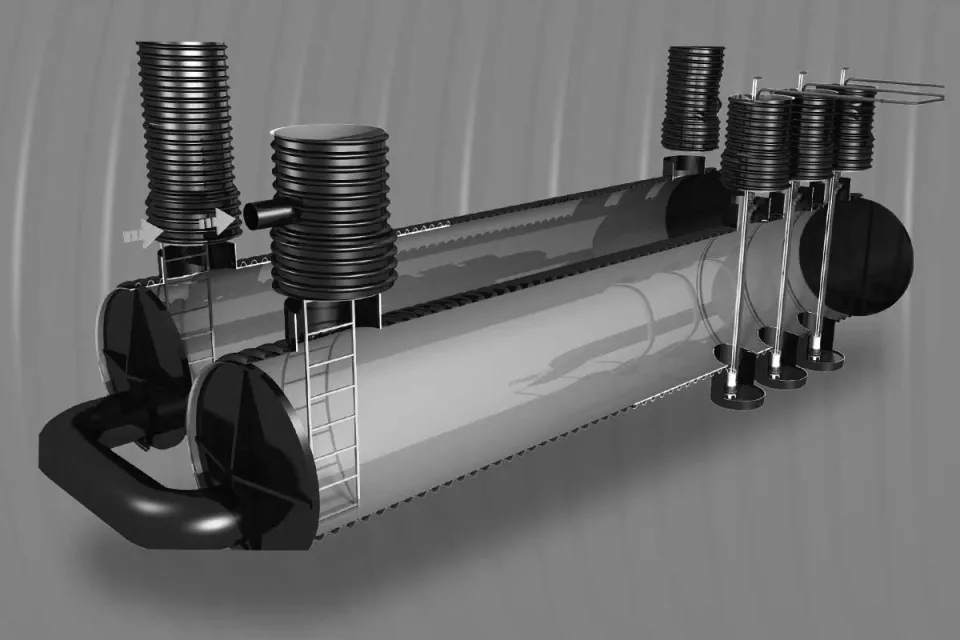
PALARETAIN tanks store stormwater from impermeable surfaces and release it to surface water bodies at a much lower flow rate, attenuating flood peaks and protecting storm and combined sewers during heavy rainfall events.
Discharge is generally by gravity, through free-flow outlets at the bottom with a diameter smaller than the inlet. Alternatively, submersible electric pumps controlled by inverter panels are installed, regulating performance and ensuring the design flow rate at the outlet.
Construction
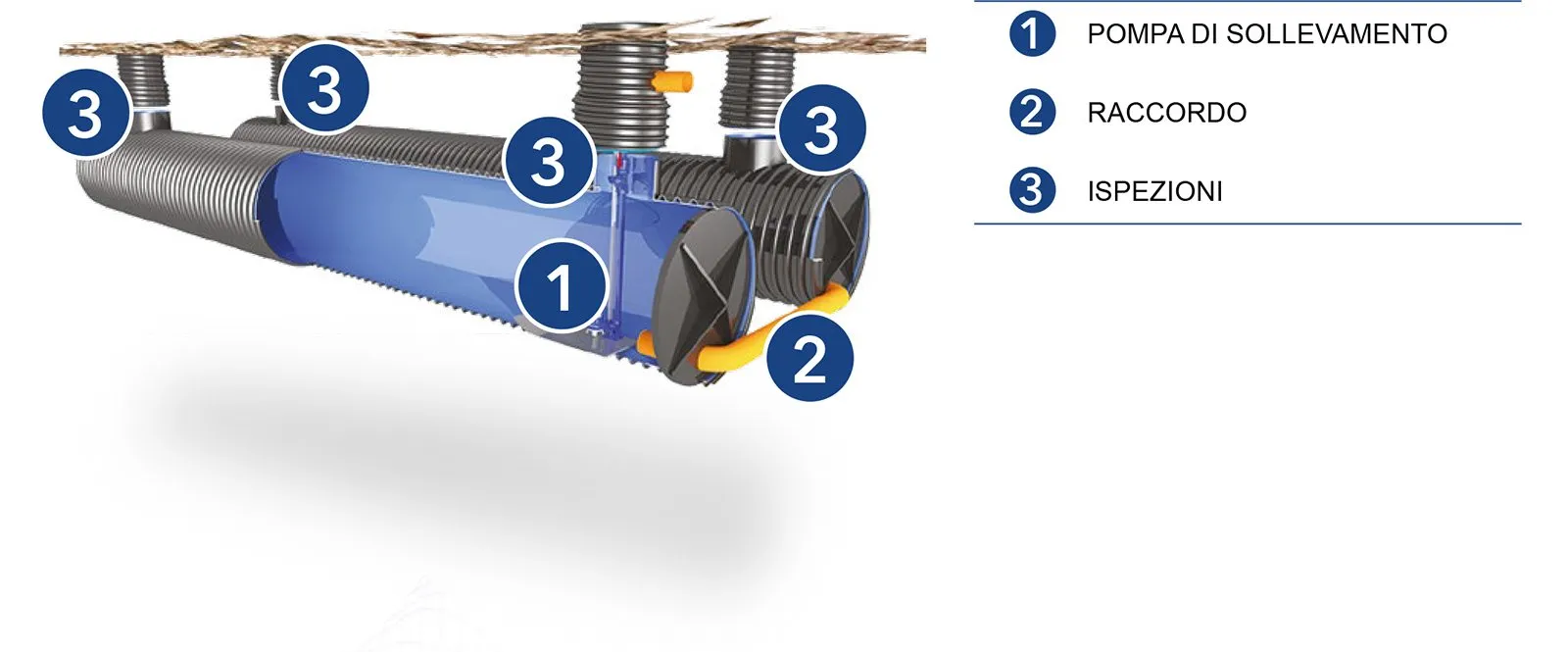
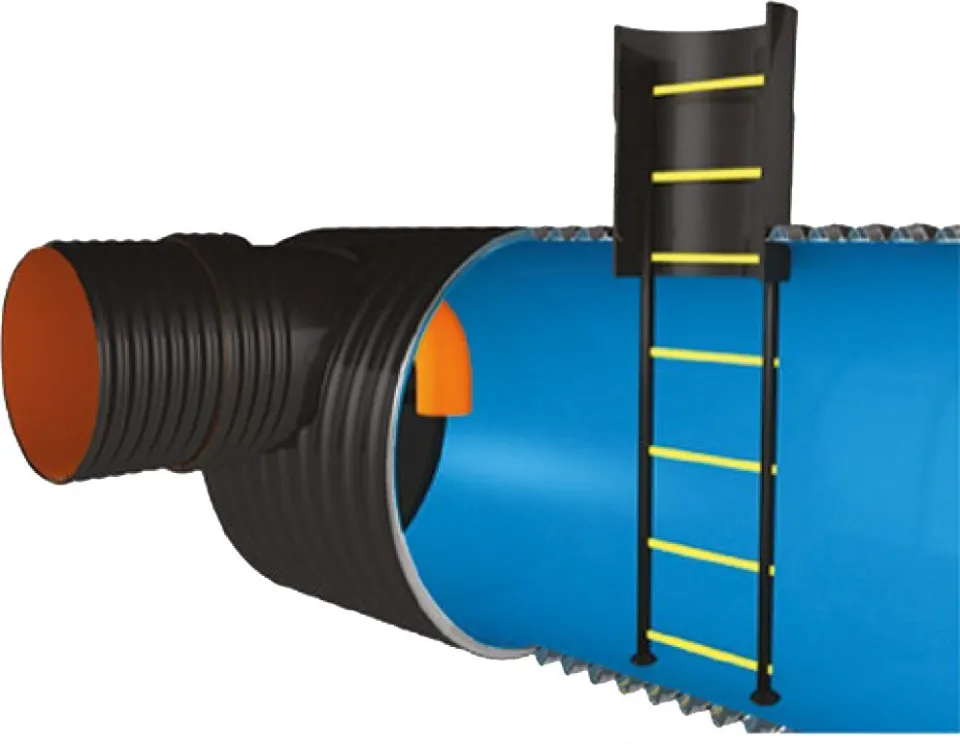
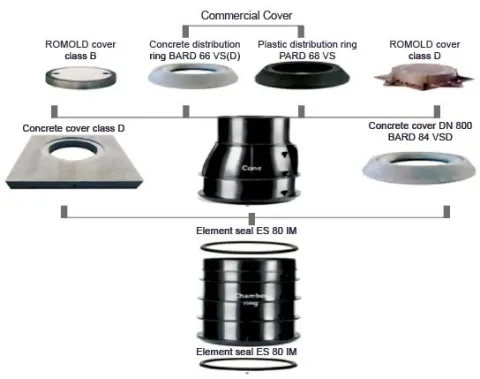
The tank consists of spiral-wound pipes in DX51D+Z galvanised steel and polyethylene compliant with UNI 11434, with inlets, outlets and inspection openings in polyethylene pipe stubs and housing for lifting pumps. Extensions for the inspection openings are available as an option.
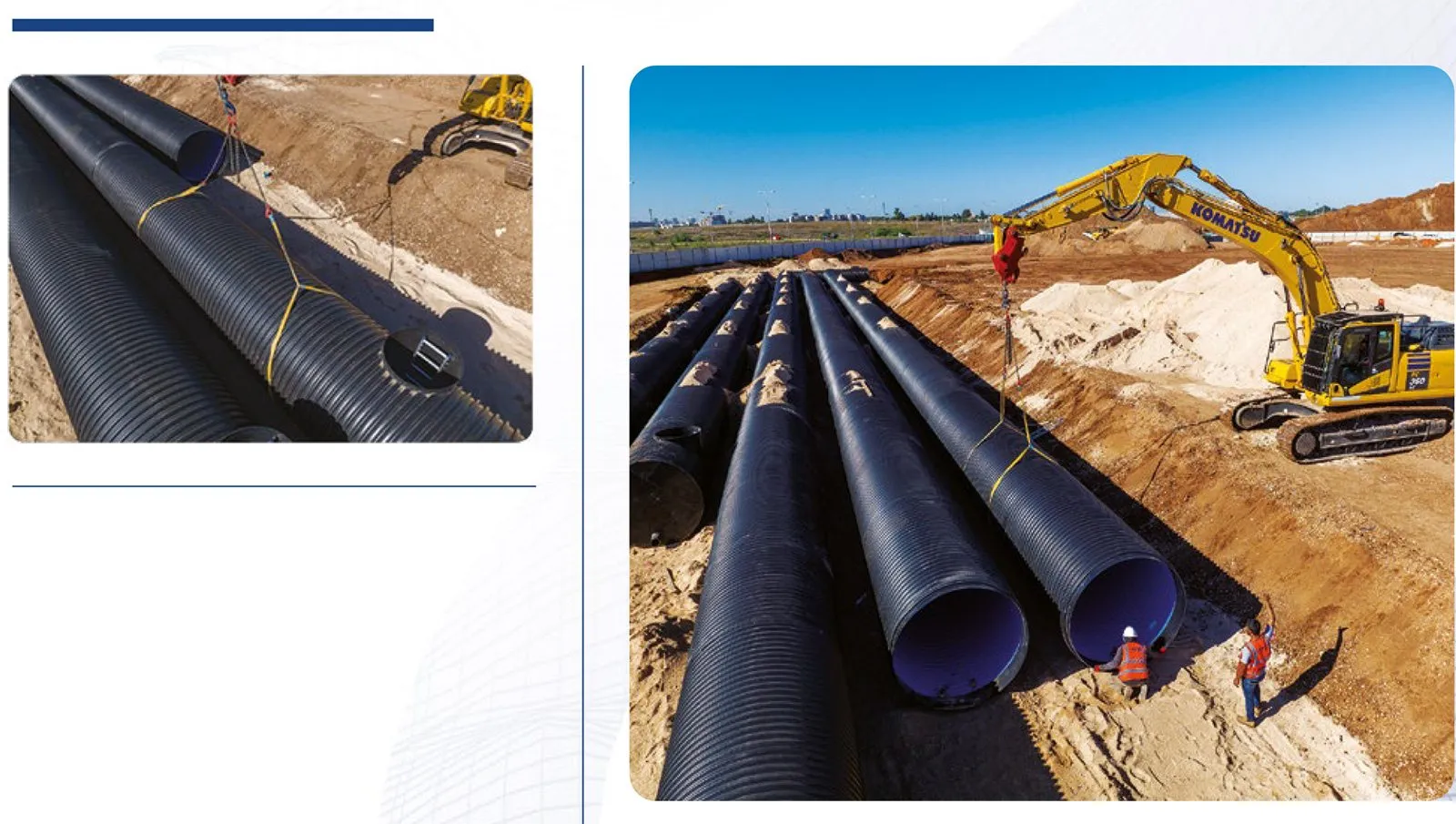
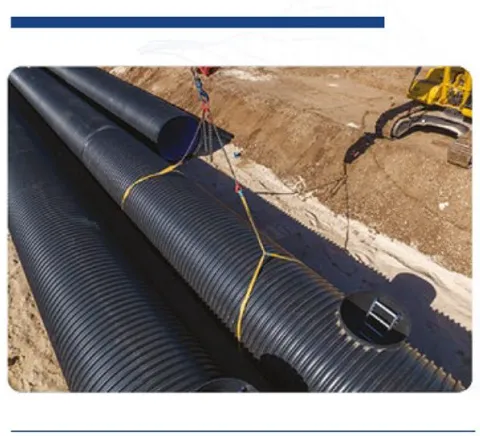
The steel core is continuously bonded to the polyethylene walls by chemical fixing, which makes the tank much lighter than concrete or GRP tanks, with fast and economical transport and installation.
Connections
Detention tanks are integrated into urban drainage networks and must be connected to pipes of different types. Connections, inspection openings and joints are made to measure:
- stub or socket connection for smooth PE, PVC and PP pipes;
- stubs with HDPE stub flanges and loose flanges in galvanised steel, aluminium, AISI 304 stainless steel or polypropylene-coated galvanised steel;
- electrofusion socket, electrofusion couplings for HDPE up to DE 1000 mm, universal rubber couplings up to DE 1000 mm, gasketed socket, compression couplings up to DE 110 mm, mechanical couplings up to DE 250 mm.
Images and dimension table
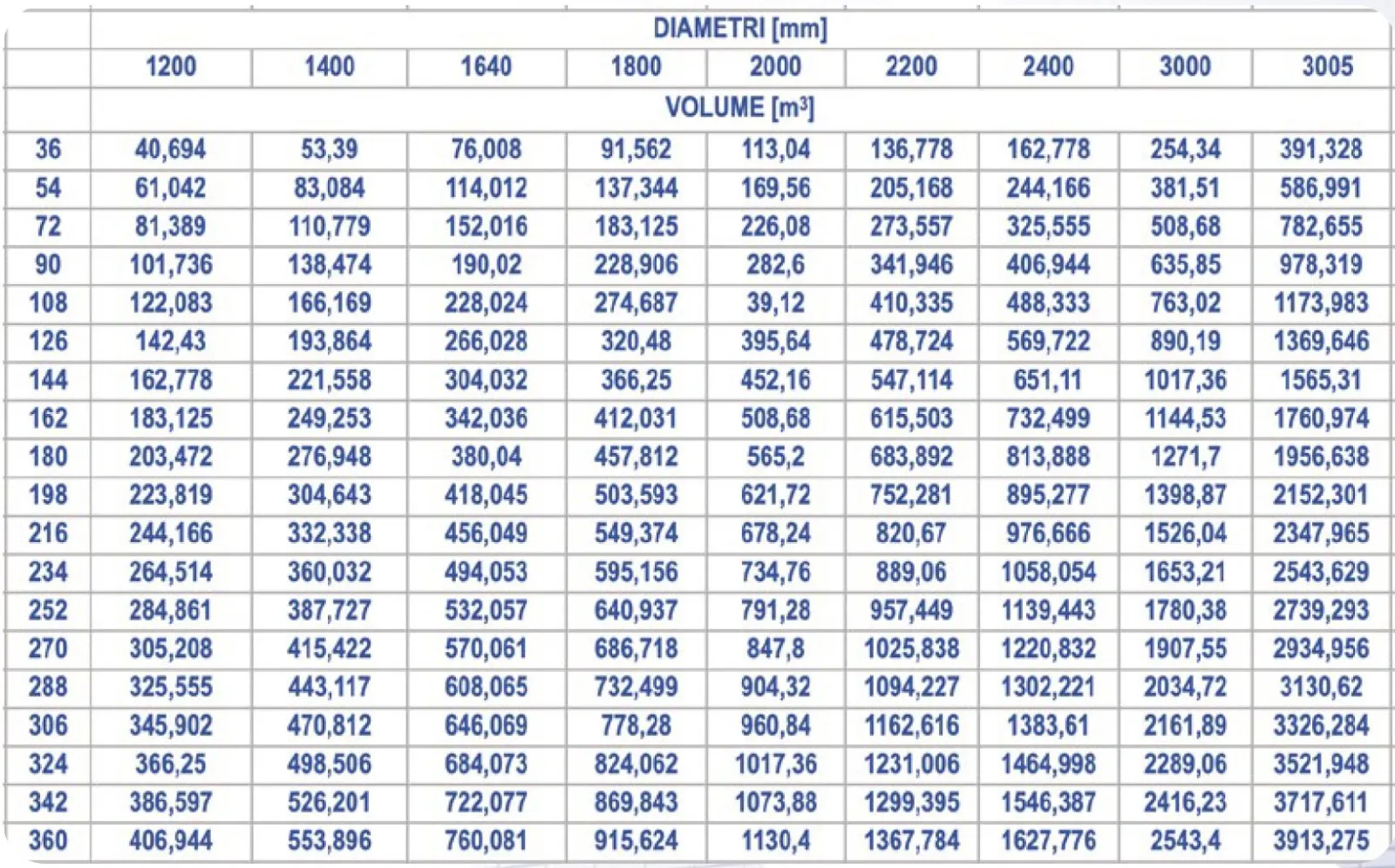
Technical data
| Function | Flow attenuation, hydraulic invariance |
|---|---|
| Installation | Buried, beneath trafficable surfaces |
| Discharge | By gravity through a calibrated orifice or with inverter-controlled electric pumps |
| Connections | PE spigots, sockets, electrofusion couplings, rubber couplings, flanges |
| Regulatory references | Regional regulations on hydraulic invariance, river basin plans, Minimum Environmental Criteria (CAM) |
Related products
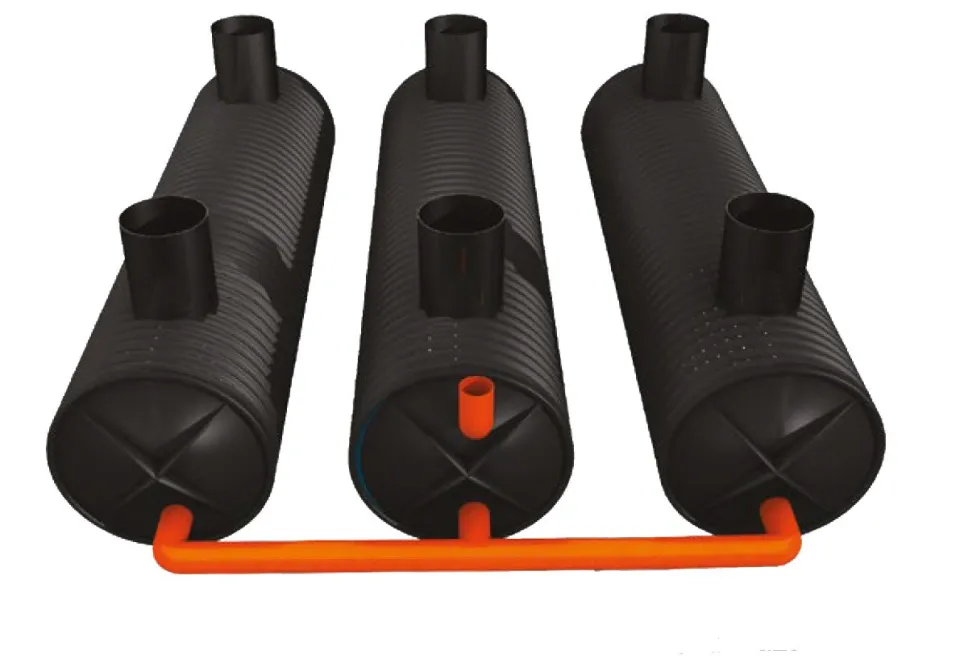 PALADISP infiltration tanks
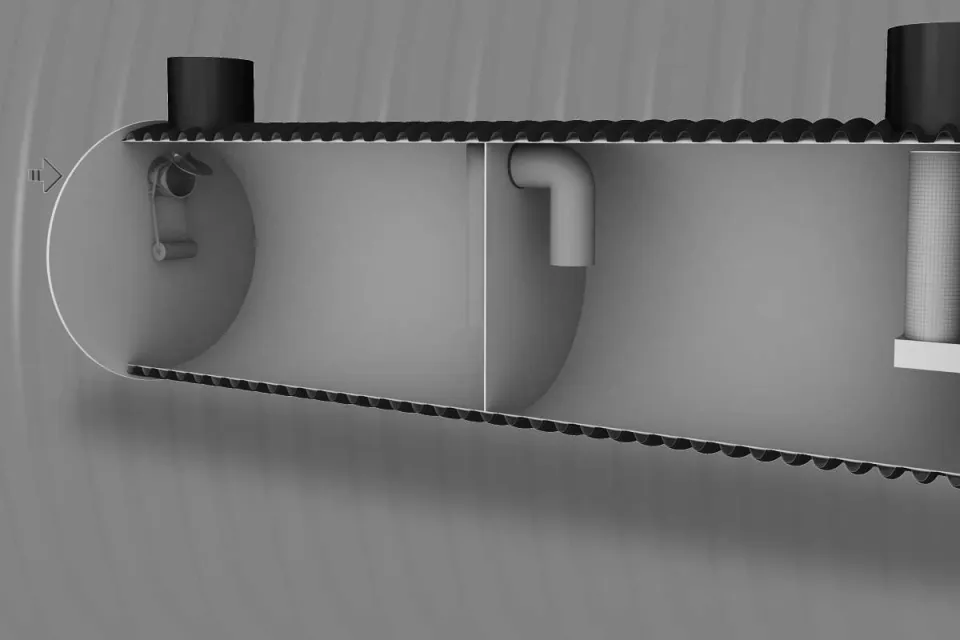 PALAGREEN first-flush treatment systems
Applications
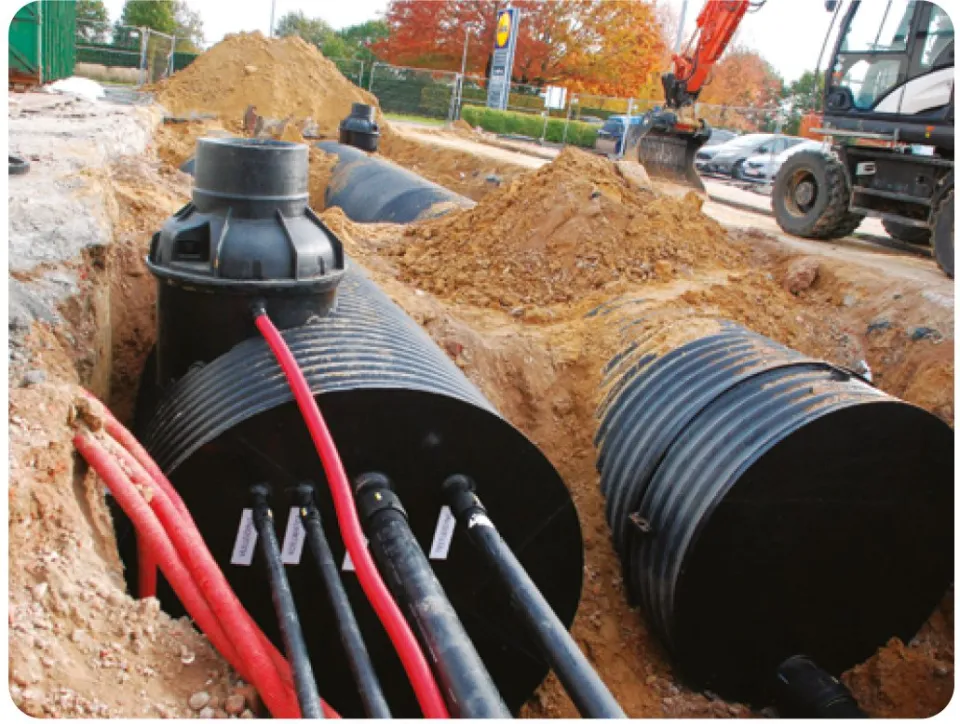 Urban drainage and stormwater
Frequently asked questions
What is a stormwater detention tank for?
It stores the rainwater falling on impermeable surfaces during an intense event and then discharges it at a reduced flow rate, so as not to overload separate stormwater or combined sewers and to reduce flood peaks in watercourses.
Can a PALARETAIN tank be installed under a car park?
Yes, steel and polyethylene pipes are designed for burial beneath trafficable surfaces, even with shallow cover depth.