

Urban drainage and stormwater
More intense rainfall and ever more impermeable surfaces are putting urban drainage networks under pressure. Steel and polyethylene pipes and tanks collect, detain, treat and infiltrate stormwater.
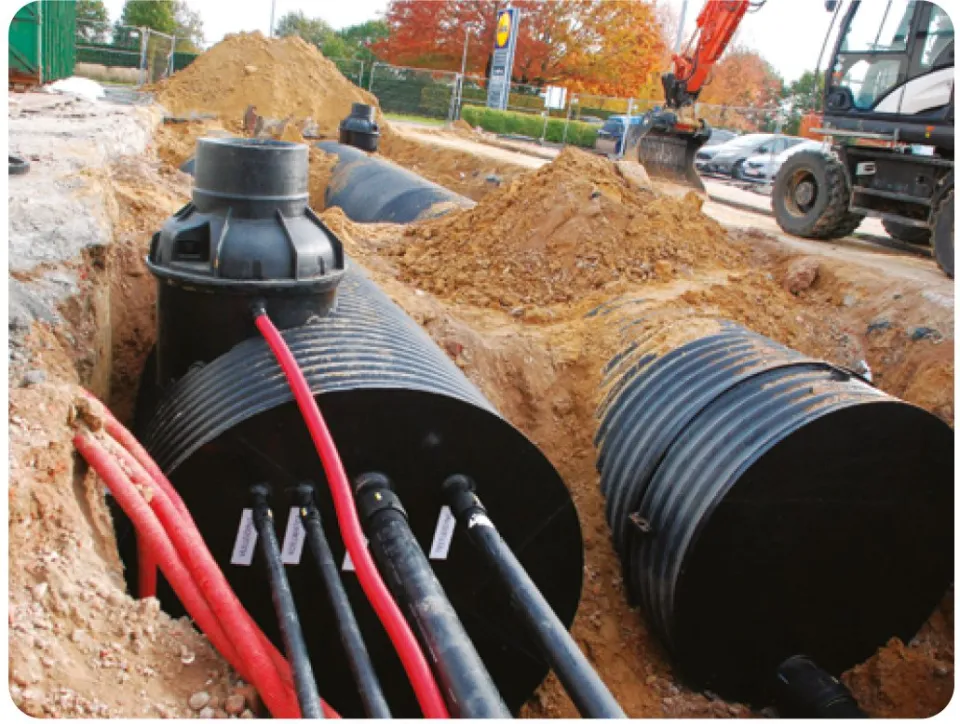
The stormwater cycle
- Collection and conveyance: PALADEX pipelines up to DN 3000 for large flows, even at minimal gradients thanks to the smooth internal surface.
- Treatment: PALAGREEN systems for grit and oil separation of first-flush water from yards and car parks.
- Attenuation: PALARETAIN tanks that reduce the discharge rate during intense rainfall events.
- Infiltration: PALADISP tanks and wells and PALADRAIN drainage pipes for hydraulic invariance.
- Reuse: PALATANK tanks for irrigation, washing and firefighting.
Airports and large impermeable surfaces
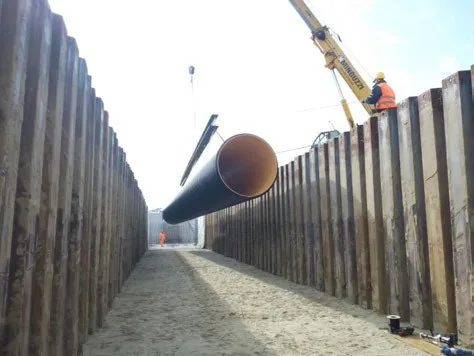
Airports, logistics hubs and car parks need to drain high flows under heavy loads and within tight timescales. At Fiumicino airport, 2 km of PALADEX DN 2000 pipes were laid in 30 days for flood risk mitigation works.
Related products
-
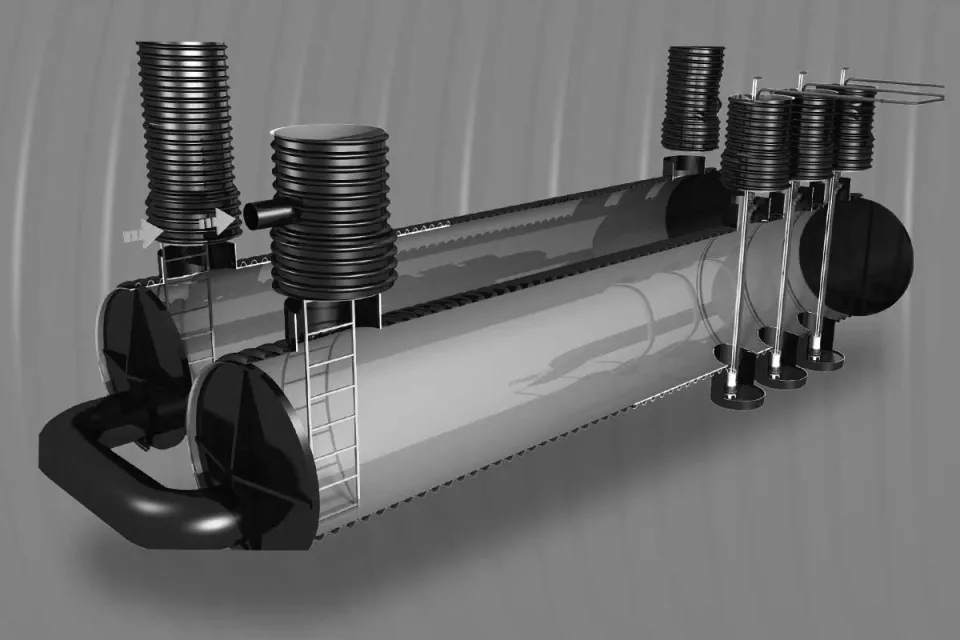 PALARETAIN stormwater detention tanks
Buffer tanks for flow attenuation and hydraulic invariance.
-
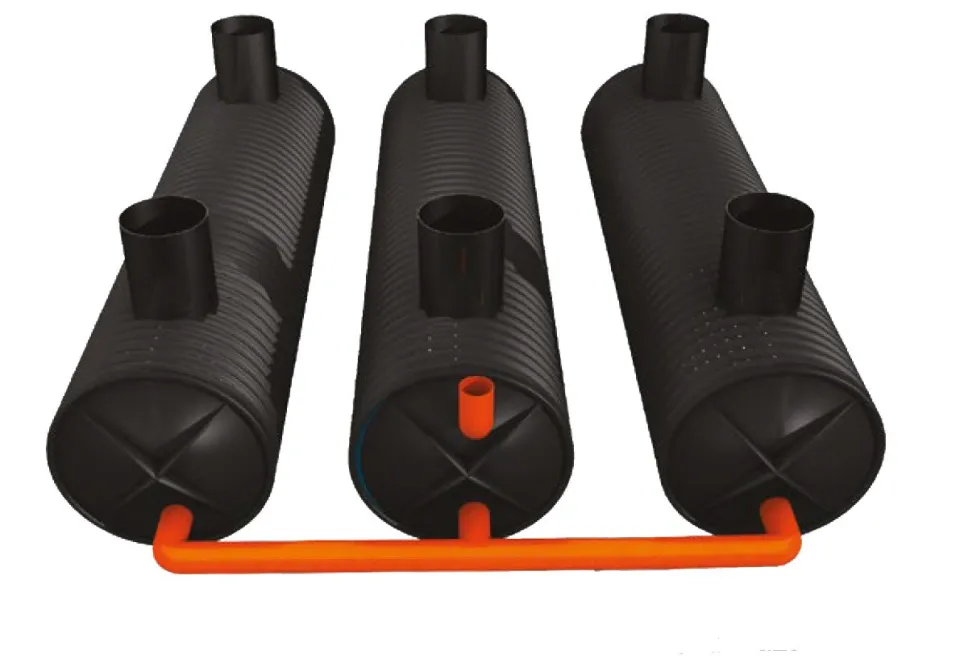 PALADISP infiltration tanks
Trafficable infiltration basins and soakaway wells for hydraulic invariance.
-
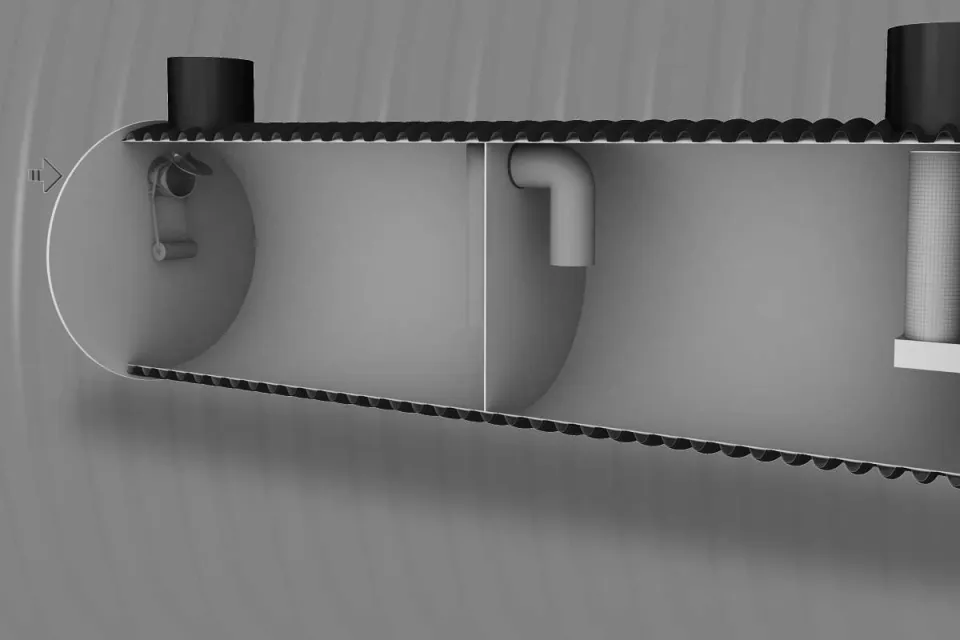 PALAGREEN first-flush treatment systems
Continuous treatment of first-flush rainwater contaminated by hydrocarbons.
-
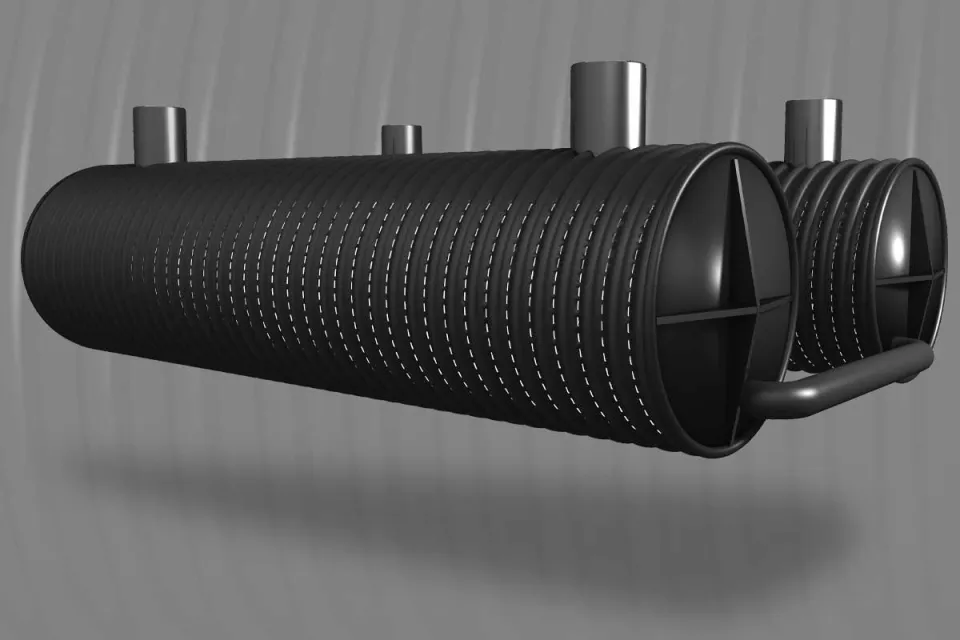 PALADRAIN drainage pipes
Perforated PALADEX pipes for drainage trenches, ground consolidation and wells.
References
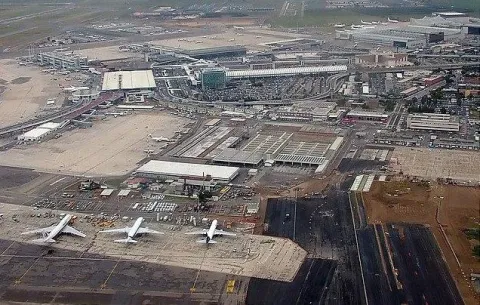 Fiumicino Airport
Frequently asked questions
How is stormwater managed in a new development?
It is collected by a drainage network sized for the design rainfall; first-flush water is treated where surfaces are at risk of contamination, and excess volumes are detained or infiltrated to ensure hydraulic invariance.
What is the difference between detention and infiltration?
A stormwater detention tank stores the water and releases it slowly into the sewer or the receiving watercourse; an infiltration tank returns it to the ground, recharging the groundwater.