

PALASTORM: stormwater management
PALADISP infiltration tanks
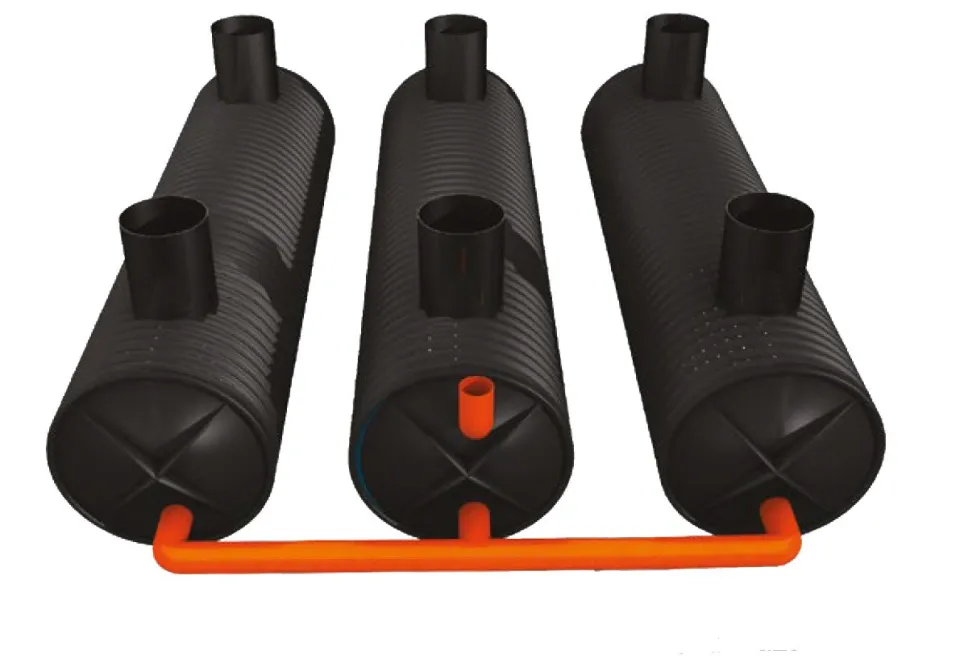
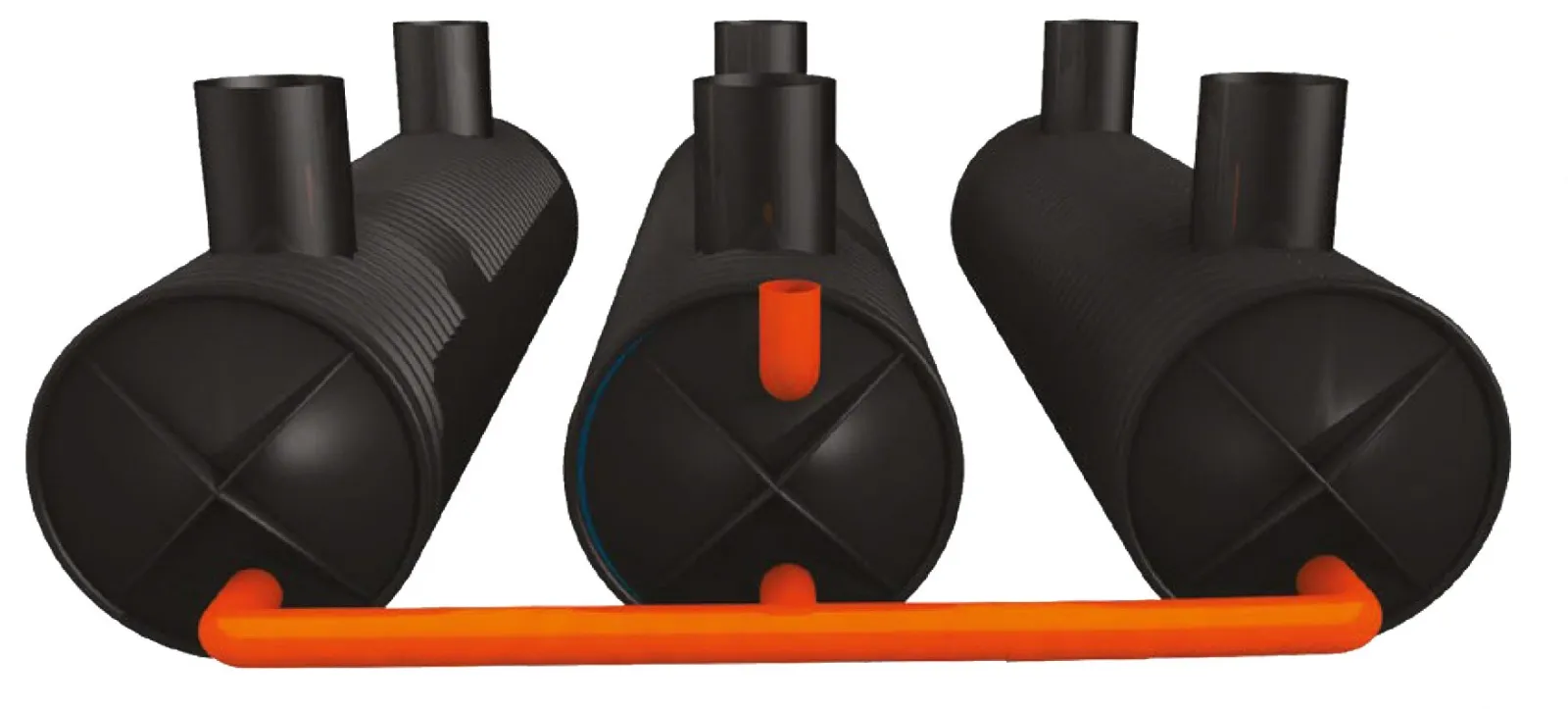
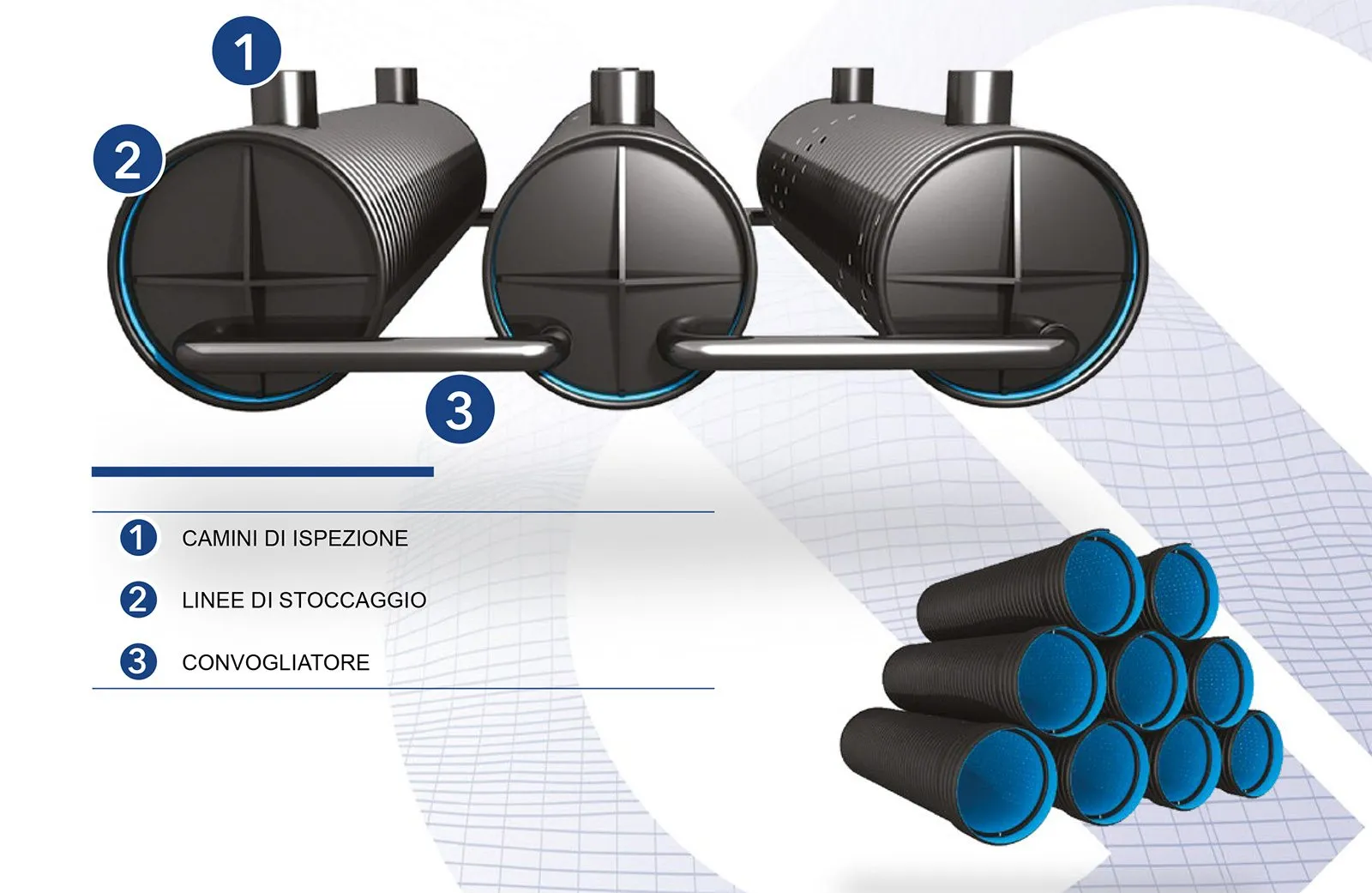
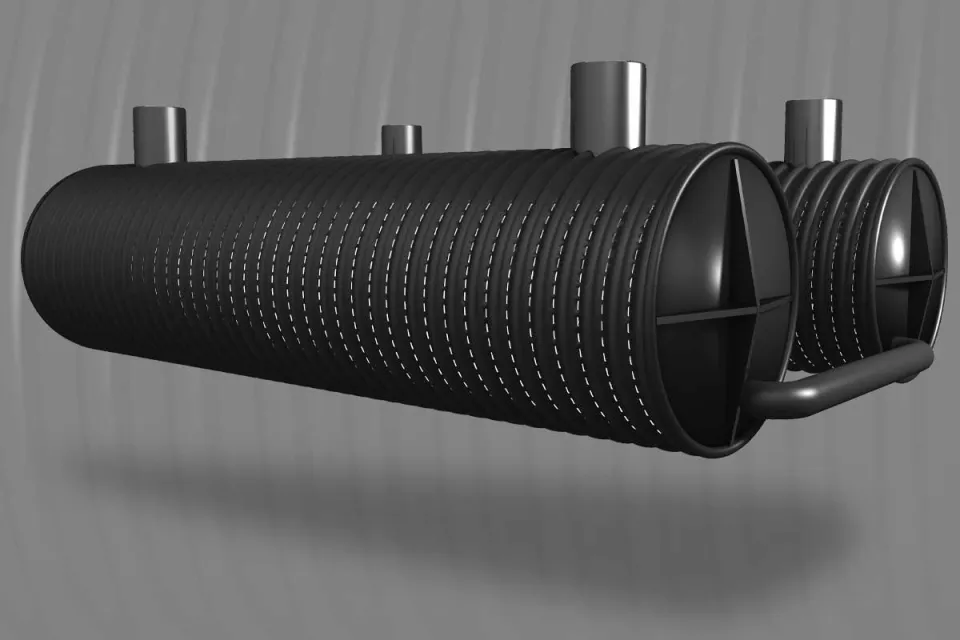
Infiltration tank built from slotted steel and polyethylene pipes that stores stormwater and gradually releases it into the ground, recharging the groundwater.
- Diameters
- from DN 300 to DN 2400
- Infiltration surface
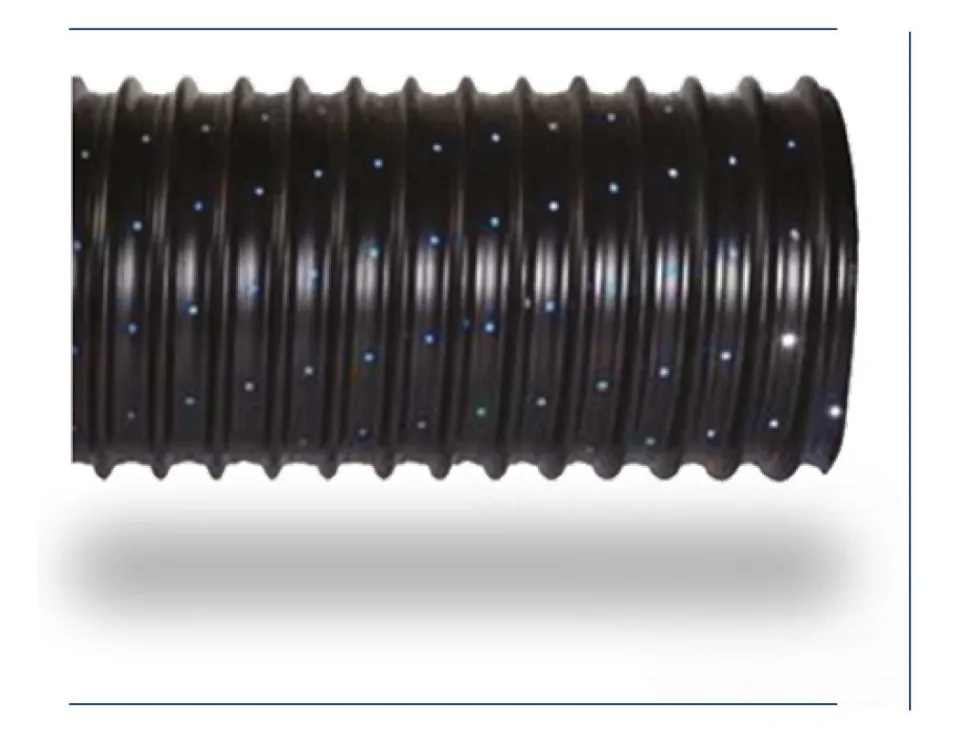
- 10 mm holes or 8×40 mm slots along the spiral
Hydraulic invariance
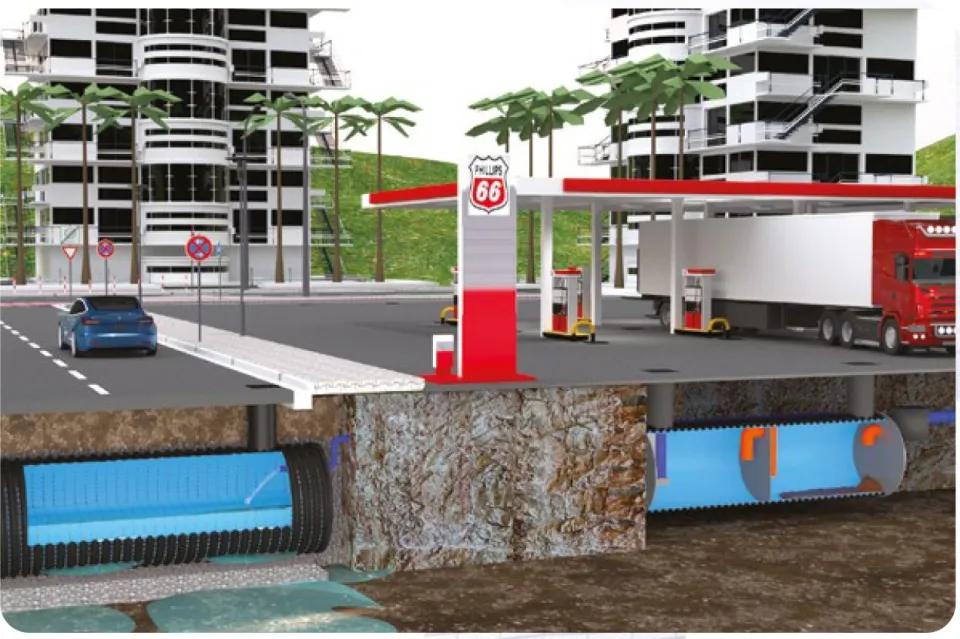
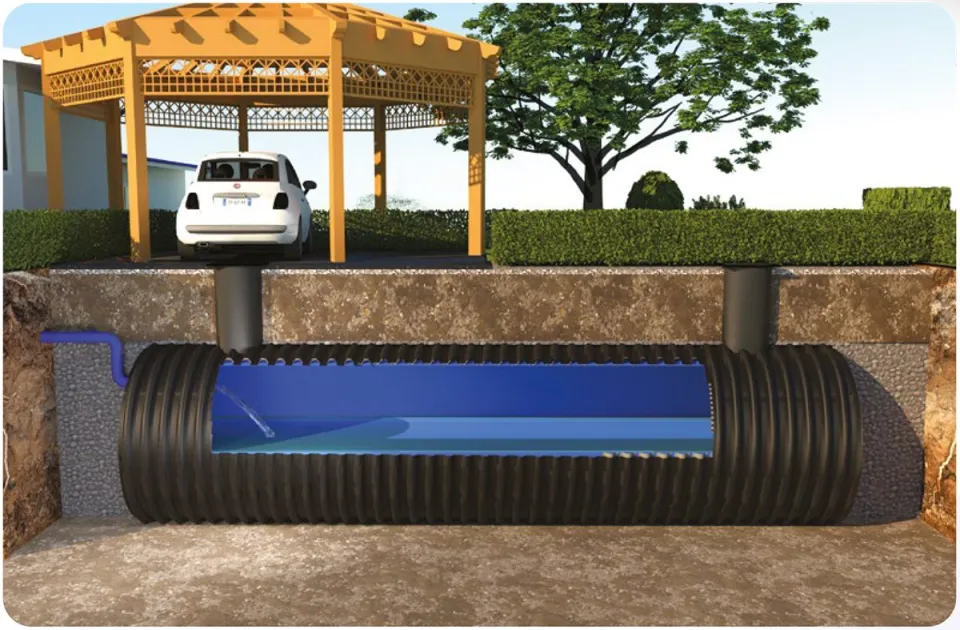
When land is developed, rain that used to infiltrate into the subsoil ends up in the sewer. PALADISP tanks return part of the inflow to the ground: perforated PALADEX elements, laid in a bed of crushed stone, store the excess and infiltrate it into the groundwater, conveying to the network only the volumes it is able to receive.
The advantage of steel and polyethylene technology is that infiltration basins can be built directly beneath impermeable, trafficable surfaces. A filter can be placed at the bottom to retain solid particles and preserve the absorption capacity of the soil over time.
Advantages during installation
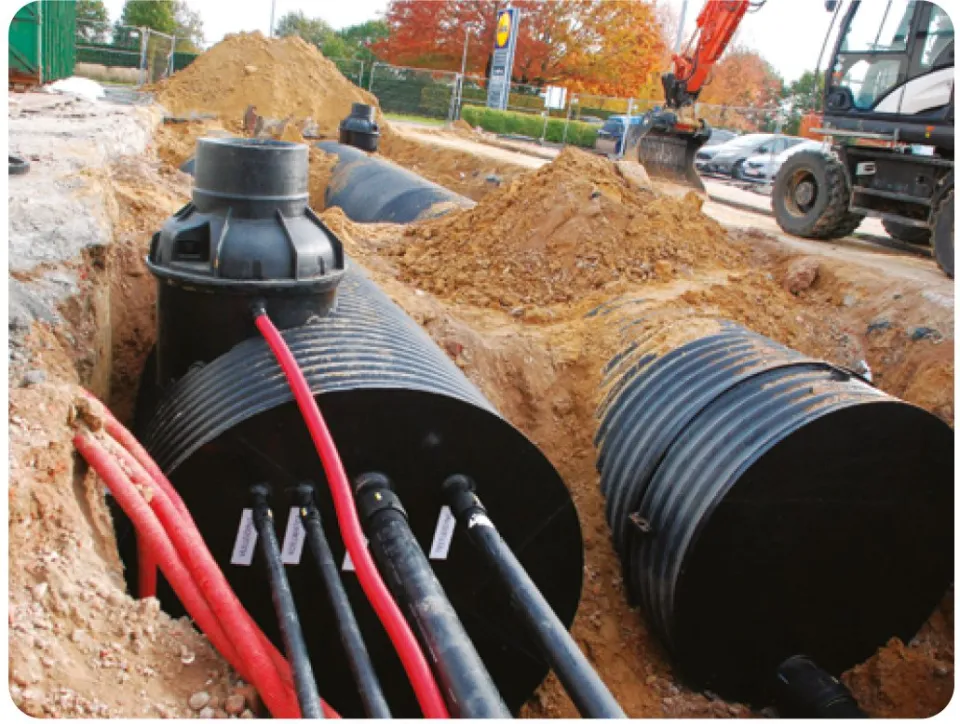
- Installation in a single day: lightweight pipes and side fill with excavated material, compared with the days needed to assemble and waterproof a modular system.
- Tank watertightness: superior to that of a PE membrane, which is delicate at the folds and vulnerable to roots and stones.
- Direct and indirect savings: a 15 cm sand bed is sufficient; no blinding, geotextile, membrane or the associated labour.
- Flexibility: the drainage pipes withstand ground pressure even in the event of soil movement.
Benefits for the environment and the community
Infiltration systems reduce the risk of flooding during heavy rainfall, release water in a controlled manner into sewers and watercourses, recharge groundwater and purify the water under aerobic conditions. They enable environmentally sound urban development and sustainable, cost-effective stormwater management.
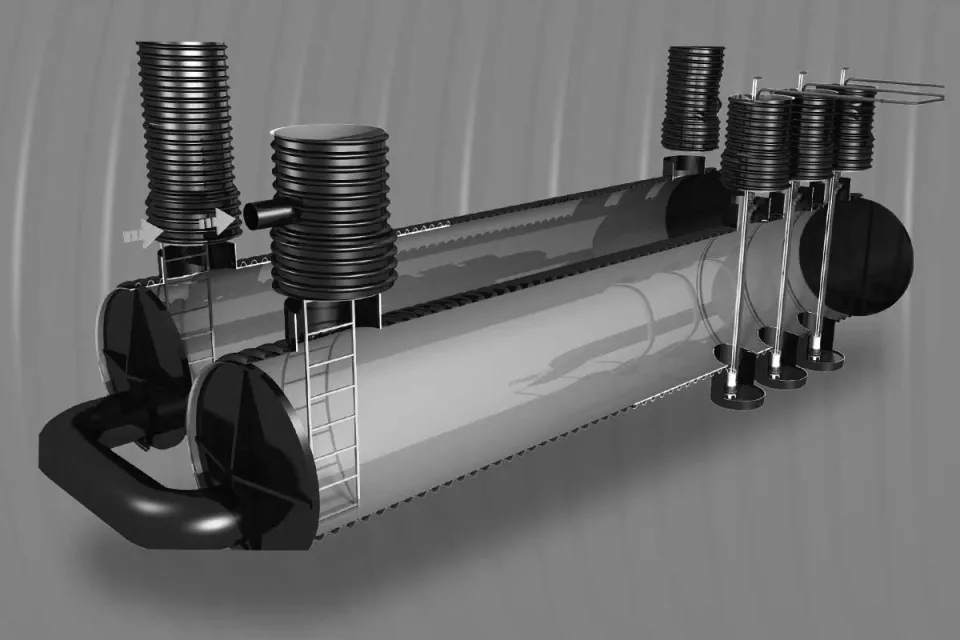
The PALADISP soakaway well is a slotted vertical element closed at the bottom, discharging water into medium-depth aquifers; the cover is a reinforced concrete slab that distributes loads onto the surrounding ground.
Images and dimension table
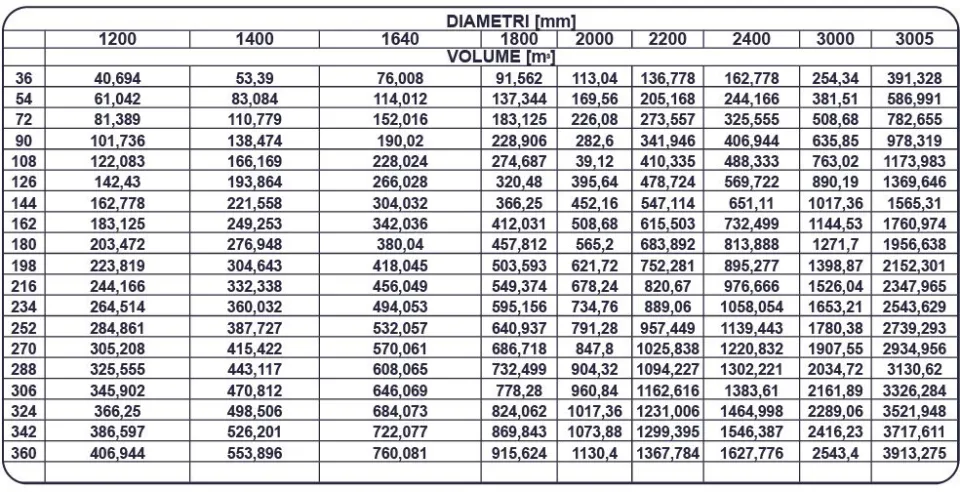
Technical data
| Diameters | from DN 300 to DN 2400 |
|---|---|
| Infiltration surface | 10 mm holes or 8×40 mm slots along the spiral |
| Pipeline gradient | between 0.2% and 0.5% |
| Configurations | Horizontal tank or vertical well |
Related products
 PALARETAIN stormwater detention tanks
 PALADRAIN drainage pipes
Applications
 Urban drainage and stormwater
Frequently asked questions
What is hydraulic invariance?
It is the principle whereby the transformation of an area must not increase the flow rate and volumes of stormwater discharged into receiving water bodies compared with the situation before urbanisation.
How long does it take to install a PALADISP tank?
Installation and side fill with backfill material up to ground level are usually completed in a single working day, with no blinding concrete, geotextile or waterproofing membrane.